

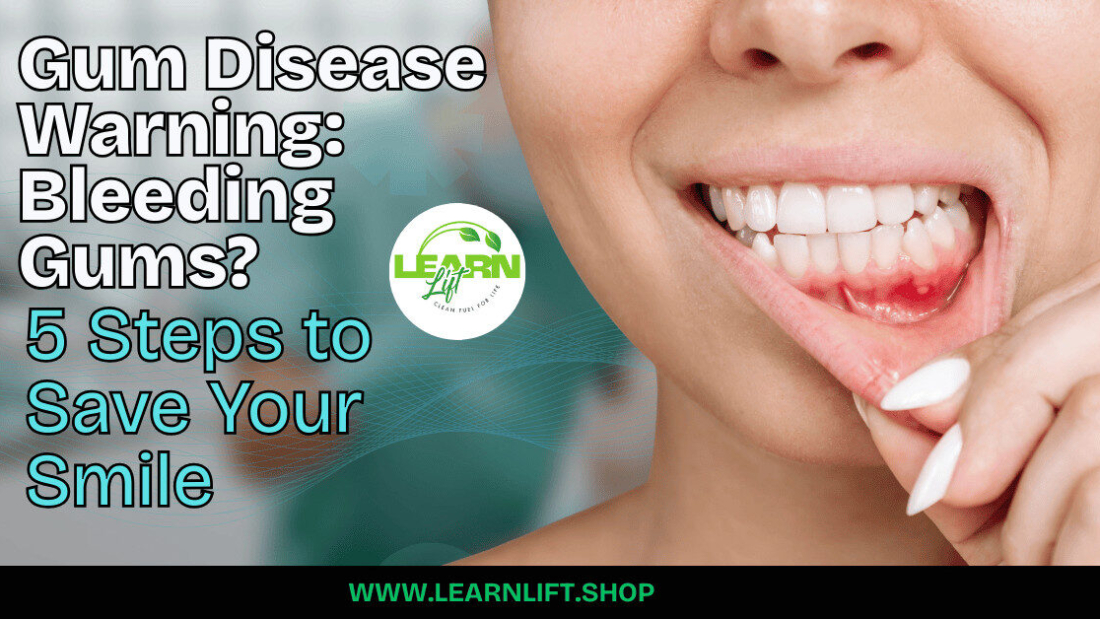
When a tiny bleed nearly changed everything
I’ll never forget the day I caught a glimpse of pink on my toothbrush after a routine brush in the morning. I paused. My gums had bled — ever so slightly — but enough to make me think. “Is this normal?” I wondered. For years, I’d treated oral care like a quick brush session and then rush out the door. But that tiny spot of blood shook me. Because, as harmless as bleeding gums might seem, it can be the first alarm bell of true gum disease.
Let’s talk about gum disease, what it really means, and — more importantly — what you can do today to save your smile.
What exactly is gum disease — and why bleeding gums matter
When most people say “gum disease,” they’re referring to a spectrum of conditions that affect the gums and deeper structures supporting your teeth. At the mildest end, there’s Gingivitis — where gums get inflamed, swollen, maybe a bit red, and often bleed when brushing or flossing. Left unchecked, gingivitis can evolve into Periodontitis — a much more serious infection that damages the bone and tissues holding your teeth. Harvard Health+2Mayo Clinic+2
Bleeding gums are often the earliest visible sign. But as the CDC notes, the issue can run deeper. True gum disease shows up as a whole suite of symptoms. CDC
In short, bleeding gums aren’t “just a little sensitivity.” They’re often a cry for help from your gums.
The silent progression: gingivitis → periodontitis
Here’s how things can go south if you ignore early warning signs.
Think of plaque as the initial, soft layer of grime on a construction site. Leave it alone, and it hardens into tartar—like concrete. Once that happens, your toothbrush is useless against it. This concrete fortress of bacteria sits right against your gums, causing constant irritation. That sensitive, bleeding tissue is the first stage, known as gingivitis. Harvard Health+1
With ongoing neglect, the inflammation becomes chronic. Your gums start to pull away from the teeth, creating “pockets”. Bacteria slip into those pockets, deeper infection sets in, and eventually the bone supporting your teeth starts to erode. That’s periodontitis. Once bone loss occurs, you could face tooth loosening — maybe even tooth loss. Mayo Clinic+1
Other symptoms at this advanced stage. Mayo Clinic+1
That’s why catching gum disease early — when it’s still gingivitis — is a game‑changer.
Gingivitis vs Periodontitis: 5 Essential Differences You Need to Know
5 Essential Steps to Save Your Smile 🚨
Seeing blood isn’t a reason to panic—it’s a reason to finally pay attention. You’ve been given a warning shot. Ignore it, and the problem gets worse. Heed it, and you can still fix this. Stop with the excuses and start with these 5 steps. This is what works.
Step 1: Supercharge Your Daily Oral Hygiene
Two minutes, twice a day. Soft brush, fluoride paste. And floss—every day, no excuses. You’re not just cleaning out food; you’re busting up the plaque that builds up relentlessly. This isn’t advanced science; it’s the daily discipline that saves your smile. Mayo Clinic+2WebMD+2
Flossing is especially critical, because plaque loves hiding between teeth — where a brush can’t reach. Some dentists recommend interdental brushes or water flossers if you have tight spaces or gum sensitivity. WebMD+1
If you spot stubborn plaque near the gumline (sometimes you can feel it with your tongue after brushing), consider replacing your toothbrush head or switching to an electric toothbrush — many experts find them more effective. Harvard Health+1
Step 2: Rinse — But Wisely
Here’s how to use rinses smartly. After your main cleaning, an antibacterial mouthwash can be a secret weapon for reducing germs and swelling. Cleveland Clinic+1
For a quick, natural soothe, nothing beats a warm saltwater rinse—it’s a trick backed by experts for calming things down fast. Just use it as needed; it’s perfect for taking the edge off. Harvard Health+1
Some people also try gentle home remedies — a few studies point to the potential benefits of rinsing with diluted hydrogen peroxide or using aloe vera‑based rinses to help calm inflammation. Healthline+1
Step 3: See a Dentist — Don’t Delay
At minimum, get a dental check‑up and cleaning every 6–12 months. That’s non-negotiable. If you’re already seeing signs like bleeding, swelling, or gum recession — go sooner. Having your teeth professionally cleaned removes tartar and plaque that you simply can’t reach at home. Hopkins Medicine+2Harvard Health+2
If gingivitis has progressed to early periodontitis, your dentist may recommend a deep cleaning (called scaling and root planing) — cleaning beneath the gumline and smoothing root surfaces so bacteria can’t cling. Harvard Health+1
And if things have progressed further — you could need more advanced care from a gum‑specialist (a periodontist), especially if there’s bone loss or gum recession. Hopkins Medicine+1
Step 4: Tame Inflammation — Lifestyle Matters
Gum disease isn’t just about messy teeth. Inflammation plays a big role. That’s why general habits like quitting smoking, managing stress, eating a balanced, nutrient-rich diet, and controlling conditions like diabetes also matter. Harvard Health+1
Foods rich in vitamin C, leafy greens, nuts, fish — basically a gut‑friendly, anti‑inflammatory diet — support gum health. Hydration helps too. Treat your gums like the delicate tissue they are.
Step 5: Monitor & Maintain — Stay Vigilant
Even after you’ve cleared up gingivitis, vigilance is key. Gums can relapse if plaque builds up again. I always tell people: treat oral care like brushing your hair — daily, consistent, even when you don’t “feel” anything wrong.
Watch for warning signs: bleeding when you brush or floss, gum swelling, receding gums, persistent bad breath, sensitivity, or loose teeth. If anything pops up — act. Don’t wait until the next check‑up.
Common Questions
Q: Can swollen gums go back to normal?
Swollen gums are like a quiet tantrum your mouth is throwing. And yes, you can make it stop. The answer isn’t in a fancy product; it’s in the basics you’re probably rushing. Slow down. Brush properly, floss as you mean it, and use a little salt water. Do that honestly, and you’ll watch the puffiness and redness just… fade away.Harvard Health+2Healthline+2 Mayo Clinic+1
Q: How to treat gum disease without surgery? Is it possible?
Yes — if caught early. For gingivitis and early periodontitis, proper dental cleanings (scaling + root planing), plus stellar home hygiene (brushing, flossing, mouthwash), often can halt or reverse progression. Hopkins Medicine+2Cleveland Clinic+2
Surgery usually enters the picture only when there’s significant bone or tissue loss, or deep pockets that don’t respond to non‑surgical cleaning. Hopkins Medicine+1
Q: What are the warning signs of periodontal disease in adults over 30?
If you’re over 30 — or really any age — keep an eye out for persistent bleeding gums, swollen gums, changes in gum appearance (redness, darkness, recession), bad breath that doesn’t go away, tooth sensitivity, or loose teeth. These are key “warning lights.” CDC+2Mayo Clinic+2
What about “just a mouthwash” or DIY cures?
Look, I get it. We live in a world of quick fixes, “game‑changing” mouthwashes, herbal rinses, and oil‑pulling trends. Some of those — like occasional saltwater rinses, diluted hydrogen peroxide rinses, or aloe‑based mouthwashes — might soothe inflammation or reduce bacteria. Healthline+2Medical News Today+2
But here’s the bottom line: those are supportive, not substitutes.
The bottom line — treat bleeding gums as your wake‑up call
Gum disease is boring. It’s a slow, silent saboteur. While you’re busy living your life, it’s quietly eating away at the very foundation your teeth are built on. I’m talking about the bone. The actual jawbone.
And those bleeding gums you’re so casually rinsing away? That’s not from brushing too hard. That’s the only warning flare your body has left to shoot. It’s your gums screaming, “We are under attack down here, and we are losing!”
But here is your single, powerful advantage: right now, you are likely still in the driver’s seat. You can still reverse this. But the clock is ticking.
Want extra help? Consider using a targeted oral‑care support
Now, if you feel like you’re doing everything right but still want that extra layer of support, I get it. I was skeptical too, but I’ve been trying out this ProvaDent Oral Health Foam lately. It’s not a magic cure, but it’s a really easy step to add—you just foam it along your gumline after brushing. I’ve found it leaves my mouth feeling incredibly clean, and my gums feel more resilient. If you’re curious, you can see what it’s all about here: ProvaDent Oral Health Foam. → ProvaDent Oral Health Foam.
ProvaDent Oral Health Foam – Powerful Benefits for Stronger, Remineralized Teeth
Leave A Comment