1. Why Metabolism Matters in Your Weight Journey
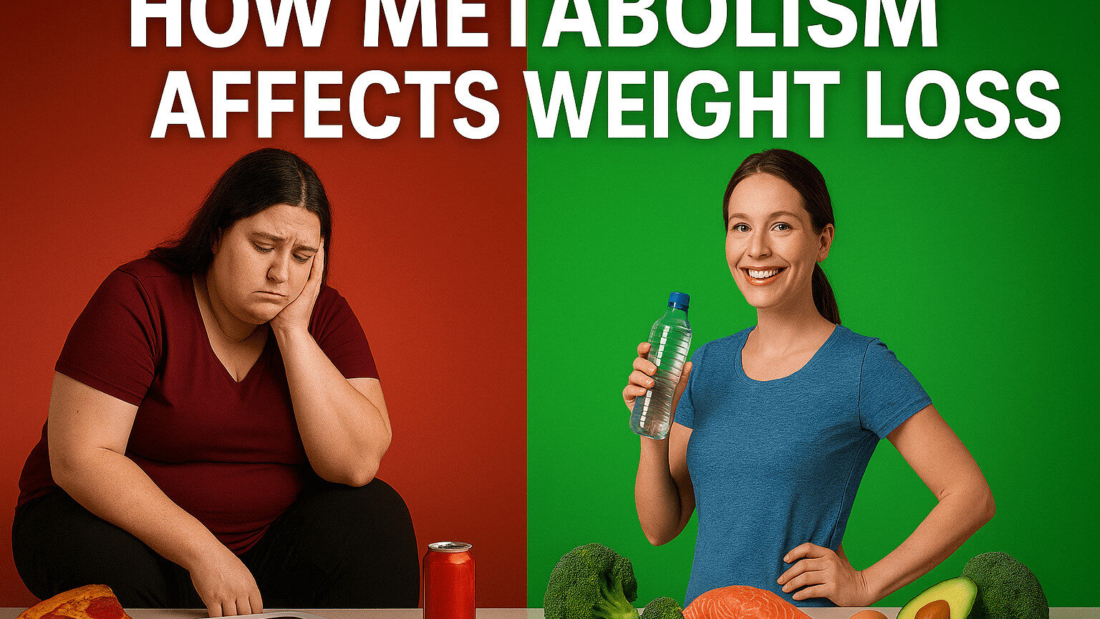
Let me start with a question: ever wonder why some people seem to eat more and stay lean, while you feel like you gain weight just looking at a donut? Part of it comes down to your metabolism — in short, how metabolism affects weight loss is one of the behind-the-scenes players in your body’s “engine room.”
Metabolism isn’t magic, but it’s incredibly influential. It controls your calorie burn at rest, during activity, and while processing meals.
Harvard Health confirms a slower metabolism means a lower daily calorie burn. This requires more mindful eating and activity to prevent weight gain. Harvard Health+2Harvard Health+2
Here’s what changes everything: your metabolism isn’t permanent. You can actually train it, improve it, and help it run better.
This guide exists for one reason: to clear out the junk science, show you what really works, and give you practical steps to turn your metabolism from an obstacle into your greatest weight loss advantage.
2. Myth vs Truth: 7 Common Misconceptions About Metabolism
Let’s dive into some metabolism myths you’ve probably heard — and the real truths behind them.
| Myth | Truth | Why It Matters |
| 1. “My metabolism is wrecked forever.” | Metabolic rate can adapt, but it’s rarely permanently broken. | People worry “can metabolism be permanently damaged?” — that’s usually fear, not fact. |
| 2. It’s a common belief: ‘Eating less is the fastest way to rev up your metabolism.” | Crash dieting backfires. Your body interprets extreme restriction as a threat and slows your metabolism to survive. | Crash diets often lead to rebound weight gain. |
| 3. “Age kills metabolism early.” | Yes, metabolism slows with age — but the decline is gradual and can be mitigated. | Many older adults regain power with the right habits. |
| 4. “Certain foods ‘speed up’ metabolism drastically.” | Some foods have modest effects; they’re helpers, not miracle workers. | Knowing which foods help is key. |
| 5. “You might believe that just by exercising, you’re guaranteed to speed up your metabolism.” | Here’s what most people get wrong about exercise: while it absolutely helps your metabolism, going too hard without breaks teaches your body to be more efficient with calories. That means you end up burning less than you expect. | Balance and recovery are crucial. |
| 6. “Supplements are the secret fix.” | Some supplements help a little, but nothing replaces diet + movement. | Be cautious — many promises oversell. |
| 7. “If I’ve hit a plateau, metabolism is to blame.” | Plateaus can involve metabolism slowing, but also diet drift, low NEAT, poor sleep, etc. | You fix them by tweaking many levers, not blaming metabolism alone. |
Recent research has uncovered a frustrating reality for many people trying to lose weight: as you drop pounds, your body can become surprisingly efficient at conserving energy. This “metabolic adaptation” means your system might slow down more than anticipated, creating an unexpected hurdle for continued weight loss. University of Alabama at Birmingham
So knowing myths from truths is essential. Don’t let misunderstandings derail your progress.
5 Genius Secrets: Best Non‑Surgical Belly Fat Removal Procedure Revealed
3. How a Slow Metabolism Leads to Weight Gain
I see this all the time with clients – they’re doing “everything right” but the weight won’t budge. Here’s what’s actually happening when your metabolism slows down:
- Your body’s idle calorie burn drops. Think of it like your car idling at a lower RPM – you’re simply burning less fuel at rest.
- Your body fights weight loss. When you cut calories, your metabolism slows down to protect you, like it’s preparing for a famine (this is what Harvard researchers have observed). Harvard Health+2Harvard Health+2
- You move less without realizing it. That natural fidgeting and pacing? It tends to disappear when your body feels deprived.
- Your hormones shift. Key players like leptin and thyroid hormones change in ways that encourage energy conservation.
- You lose metabolic tissue. If muscle mass decreases, you have fewer calorie-burning engines running 24/7.
The good news? Understanding these metabolic responses is the first step to working with your body instead of against it.
4. Proven Tips: How to Boost Metabolism Naturally.
Here come the good bits — actionable strategies that are evidence-based and realistic.
A. Build and preserve lean muscle.
This is non-negotiable: you need to strength train. Why? Because muscle is metabolically hungry tissue. The more lean muscle you carry, the more calories your body burns around the clock—even while you’re sleeping. It’s the closest thing to a metabolic upgrade you can give your body.
B. Protein is Your Metabolic Protector
Here’s your protein prescription: 25-35 grams per meal. This isn’t just about building muscle – it’s about metabolic protection. Harvard research confirms that adequate protein intake acts as a safeguard for your metabolism during weight loss by preserving calorie-burning muscle tissue. Think of it as metabolic insurance. The Economic Times
C. Make Your Workouts Work Overtime
I tell my clients this all the time: the right kind of exercise keeps burning calories long after you’ve finished sweating. High-intensity interval training (HIIT) – those short bursts of hard effort followed by brief rests – creates what I call the “metabolic overtime” effect. Your body has to work to recover, which means you’re still burning extra calories hours later while going about your day.
D. Stay active throughout the day (NEAT)
Non-exercise activity thermogenesis (NEAT) — walking, fidgeting, standing — can make a big difference. Tiny steps add up.
E. Eat metabolism-supporting foods (but don’t expect miracles)
Foods like green tea, chili peppers, and protein-rich legumes have modest boosting effects. They’re helpers, not heroes.
F. Get solid sleep
Poor sleep raises cortisol and disrupts metabolism. Aim for 7–9 hours consistently.
G. Manage stress
Chronic stress floods your system with cortisol, which can impair insulin sensitivity and slow metabolic rate.
H. Don’t under-eat chronically
Severe calorie restriction triggers your body to go into conservation mode. That’s counterproductive. Instead, cycle calories or refeed periodically.
I. Stay consistent — metabolism adapts over time
Your metabolism responds to long-term habits, not short-term crashes.
Many of these tips align with what’s been confirmed by research and institutions like Harvard. Harvard Health+2Harvard Health+2
5. When Metabolism Slows with Age (and What to Do)
As years go by, most of us see a slight dip in metabolic rate. But guess what — it doesn’t have to spiral out of control.
- Harvard noted metabolism peaks earlier and slows later than traditionally thought. Harvard Health
- The decline is gradual — a few percent per decade.
- The key: resist muscle loss, keep up strength work, prioritize protein, and stay active.
If you’re over 40 or 50, you may hear “it’s your age.” That’s partly true — but it’s not an excuse.

Pro tip: Reverse slow metabolism after 40
- Focus on resistance training (2–3x/week)
- Use progressive overload (increase weight, reps, or intensity)
- Maintain protein intake (~1.2–1.6 g/kg body weight)
- Avoid long calorie famine phases — slower metabolisms don’t fare well with deprivation
6. Supplements, Diet, and Metabolism Booster Myths
Let’s clear the air about supplements and extreme dietary hacks.
- Metabolism booster supplements that work? Some may support metabolism slightly (like caffeine, green tea extract, forskolin), but none are magic. Use cautiously.
- Can metabolism be permanently damaged? No strong evidence. Metabolic adaptation happens, but permanent damage is rare.
- Reverse slow metabolism for weight loss? You can mitigate it, not “reset” overnight.
- Foods to boost metabolism for weight loss help, but they’re supportive — don’t expect them to outdo poor diet/exercise.
- Best ways to jumpstart metabolism are consistent strength training, protein-rich diet, smart movement.
- Metabolism myths debunked: Yes, many myths persist — like “starvation mode = immediate weight gain.” Not accurate.
The smarter your approach, the less you’ll fall for gimmicks.
7. Signs You Might Have a “Slow Metabolism”
Here are some red flags (but note: only labs and doctors can confirm):
- You eat very little yet still struggle to lose weight
- You feel cold often, have dry skin, and low energy
- You experience frequent hunger despite low-calorie intake
- You retain weight around the middle even after “doing everything right.
- You had past crash diets or yo-yo weight loss episodes
If you see several of these, your metabolism may be running on low. But don’t despair — that’s where the strategies above come in.
8. People Also Ask / FAQ
Q: Why can’t I lose weight — do I have a slow metabolism?
A: Possibly. But more often, it’s diet drift, low NEAT, poor sleep, or underestimating calories. Use the tool + strategies above.
Q: Does food really speed up metabolism?
A: Yes, but only modestly. A few foods produce small increases. They support your metabolism, not replace it.
Q: How to increase metabolic rate after 40?
A: Focus on strength training, enough protein, avoid chronic undereating, and keep active. (Covered above.)
Q: Are metabolism booster supplements worth it?
A: Some help marginally, but use them wisely. They are adjuncts, not foundations.
Q: Can metabolism be permanently damaged?
A: Permanent damage is rare. Metabolic adaptation exists, but your body is more resilient than many think.
9. Affiliate Section: Mitolyn — Metabolic Power for Fat Loss
If you’re doing everything — diet, resistance training, good sleep — and want an extra nudge, Mitolyn is a supplement marketed as Metabolic Power for Rapid Fat Loss & Weight Loss. (Check always with your healthcare provider first.)
This product aims to support your metabolic processes and may complement your efforts. Think of it as an extra tool, not a substitute. Use it only when your habits are solid and consistent.
10. Final Thoughts & Your Next Steps
So — what’s the bottom line on how metabolism affects weight loss? It’s real, important, but not insurmountable. Your metabolism is responsive — you can influence it, though not control it fully.
Leave A Comment