

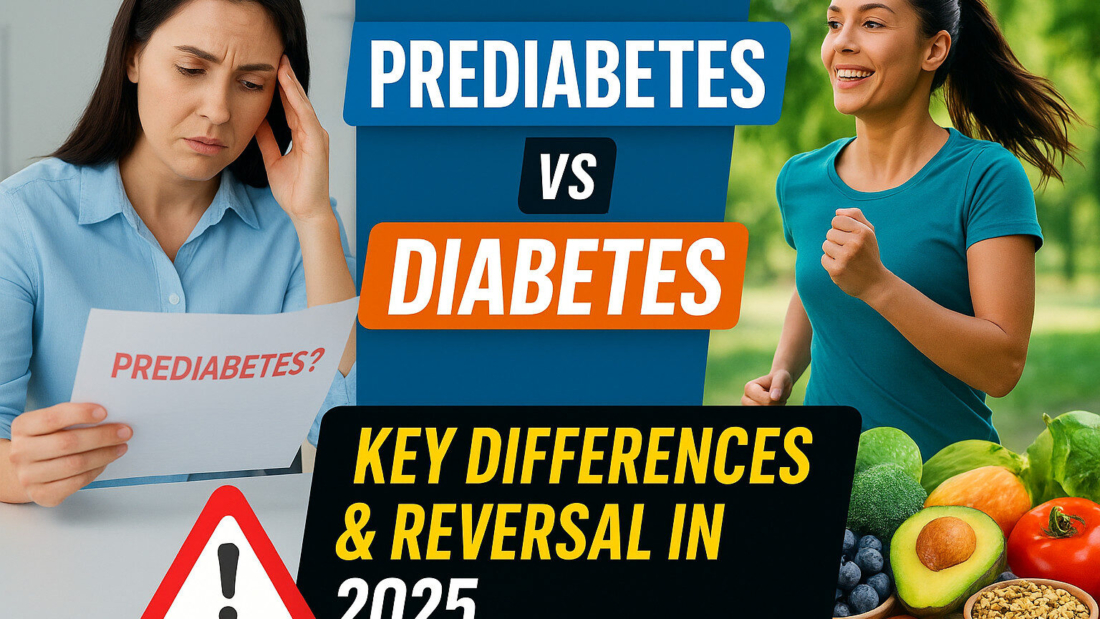
Prediabetes vs Type 2 Diabetes? Here’s Exactly How to Tell—And What to Do Next
So your doctor mentioned your blood sugar is a bit high. Or maybe your last check-up showed some concerning numbers. Or you see the family history and wonder if it’s your future, too. You’re not just looking for definitions; you’re looking for a way out. You need to know the real difference between prediabetes vs type 2 diabetes because your next steps depend on it.
Let’s clear this up right now. The difference between these two conditions isn’t just medical jargon—it’s the difference between a wake-up call and a chronic diagnosis. The single most important thing to know is this: prediabetes can be reversed. It’s a window of opportunity that you can absolutely seize.
I’ve dug into the latest ADA guidelines and Harvard Health reports to cut through the confusion.
The Blood Sugar Spectrum: Where Do You Stand?
Wrap your head around this: your body doesn’t process sugar in a simple yes-or-no fashion. It’s more like a spectrum, with your health sliding along a scale.
-
Normal: The light is bright. Insulin (the key that lets sugar into your cells) works perfectly.
-
Prediabetes: The light is flickering. The key is getting sticky—a state called insulin resistance. Your body has to push out more insulin to get the same effect.
-
Type 2 Diabetes: This is where the system starts to fail. Those cellular locks are now effectively jammed shut. With the key no longer working, sugar has nowhere to go, resulting in a dangerous buildup in your blood that, over time, spells serious health trouble.
So, how do you know where you stand? Doctors use three main tests. Here’s a straightforward look at the numbers that define prediabetes vs type 2 diabetes.
Source: American Diabetes Association Standards of Medical Care in Diabetes—2025.
If your numbers place you in the prediabetes zone, take a deep breath. This is your chance to act. This is where prediabetes reversal methods come into play.
Prediabetes vs Type 2 diabetes: The Symptoms Often Speak Softly
Here’s a critical point many miss: prediabetes is often a silent condition. You might feel completely fine. This is why waiting for symptoms is a mistake. The symptoms of Type 2 diabetes are much louder because your body is struggling under a much heavier sugar load.
Let’s compare prediabetes symptoms vs Type 2 diabetes symptoms:
With Prediabetes, You Might Notice:
-
Very little. Seriously.
-
Perhaps some unexplained fatigue.
-
A darkening of the skin in body folds, like your neck or armpits (acanthosis nigricans).
With Type 2 Diabetes, the Signs Are Harder to Ignore:
Most people notice they’re constantly thirsty – like, can’t-get-enough-water thirsty. And of course, that means they’re running to the bathroom every hour. But here’s the confusing part for many: they’re also hungry all the time, even right after a decent meal. The real wake-up call for many is when they step on the scale and see they’ve lost weight without trying. That’s usually when people get worried enough to come in. Add in vision that comes and goes blurry, or a simple cut that takes weeks to heal, and you’ve got the classic picture of what diabetes feels like in daily life. The key thing is that these symptoms work together – the thirst connects to the bathroom trips, the hunger connects to the weight loss. It’s not random; it’s your body showing you that its sugar-handling system is seriously struggling.
🚨 The bottom line? Don’t wait for the loud alarms. If you have risk factors, get tested. Knowing your numbers is your superpower.
Your 2025 Action Plan: How to Reverse Prediabetes Naturally
This is where we roll up our sleeves. Reversing prediabetes boils down to making your body more sensitive to insulin again. It’s about consistency, not perfection. Here’s your five-point plan.
1. Rethink Your Plate, Don’t Restrict It
Forget about starving yourself. The goal is to eat strategically to avoid blood sugar (Prediabetes vs Type 2 Diabetes) rollercoasters.
-
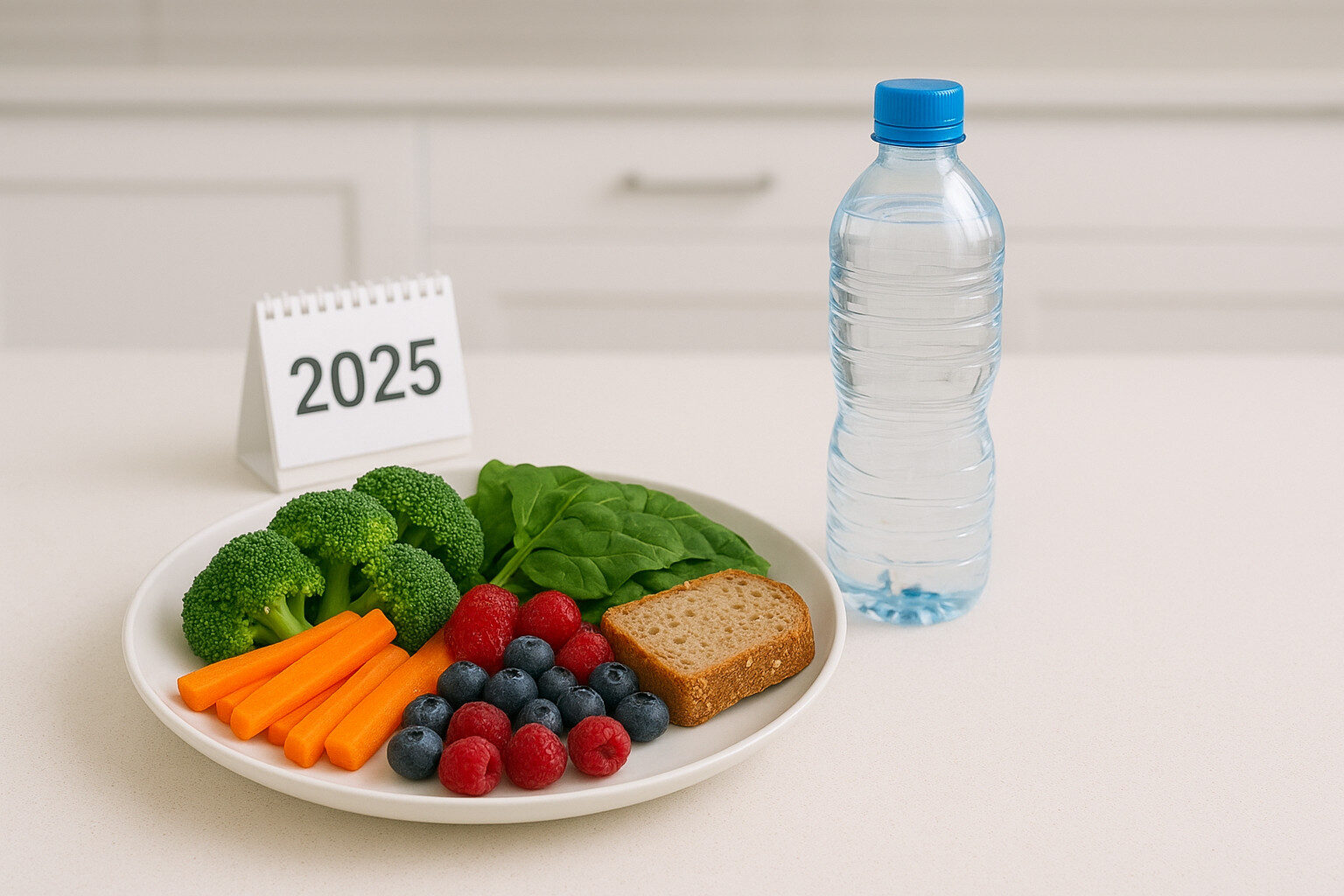
Make Fiber Your Best Friend: I’m not just talking about eating a salad. I mean truly making fiber the star of your plate. Why? Because it’s a natural regulator. It slows everything down, so the sugar from your meal doesn’t hit your system all at once. Think loads of vegetables (the non-starchy kind like broccoli and peppers), adding berries to your breakfast, and tossing beans or lentils into your soups and salads. This isn’t a suggestion; it’s your new foundation.
-
Next, The Great Grain Swap.
Can I be real with you about carbs? I used to get so confused by all the conflicting advice. But here’s what finally clicked for me: it’s not about banning carbs from your life. That’s just setting yourself up for failure. The real game-changer was understanding that my body handles different carbs… well, differently. That white bread or instant rice from the takeout? It basically floods your system with sugar faster than a soda. I noticed
It’s not a diet rule – it’s just choosing foods that make you feel good longer. The baguette makes you crash; the whole-wheat bread keeps you going.Here’s Your Golden Rule: The Power Couple.
This is the simplest, most effective trick I know. Never, ever eat a carbohydrate by itself. Always pair it with a protein or a healthy fat. Period.-
Instead of just an apple: Have an apple with a handful of almonds.
-
Instead of just crackers: Have crackers with cheese or hummus.
This combo is magic for keeping your blood sugar stable and is the absolute core of using diet to reverse prediabetes vs type 2 diabetes.
-
-
And Finally, Toss the Liquid Sugar.
This might be the most important change. Sodas, juices, and fancy coffee drinks are like pouring sugar directly into your veins. They offer zero nutritional value and cause massive spikes. Your best bet? Water. Seltzer with a squeeze of lemon. Unsweetened tea. Make this switch, and you’ve already won half the battle.
2. Move Your Body in a Way You Can Sustain
I need to be honest with you – most of my clients who reverse their prediabetes aren’t athletes. They’re regular people who found simple ways to move more in their daily lives. The secret isn’t killing yourself at the gym – it’s finding activities you can actually stick with.
Here’s what I’ve seen work time and time again:
I get it—’150 minutes of exercise’ is a phrase that makes most people want to quit before they start. But here’s the reality: that’s only 30 minutes a day for five days. And forget what you think ‘moderate activity’ means; it’s not about killing yourself at the gym. It means:
-
Gardening or yard work that gets your heart rate up
-
Dancing to your favorite music at home
-
Taking the stairs instead of the elevator whenever possible
Why Strength Training Matters More Than You Think
Here’s what most people miss: muscle is metabolically active tissue. Every pound of muscle you maintain burns calories even at rest. You don’t need heavy weights – start with:
-
Bodyweight squats while waiting for your coffee to brew
-
Calf raises while brushing your teeth
-
Using resistance bands during TV commercials
Even 10-15 minutes, twice a week, makes a noticeable difference.
The Sitting Problem Nobody Talks About
If you exercise for 30 minutes but sit for 8 hours, you’re still at risk. The latest research shows that breaking up sitting time is crucial. Try:
-
Setting a timer to stand and stretch every 30 minutes
-
Taking walking meetings if you work from home
The goal isn’t perfection – it’s consistency. What matters most is finding movement patterns that fit into YOUR life, not someone else’s ideal workout routine.
3. Lose a Little, Gain a Lot
You know, I’ve worked with hundreds of patients on prediabetes reversal, and almost everyone gets hung up on the weight loss number. They hear “lose weight” and imagine some dramatic transformation that feels impossible.
And here’s the cool thing: if you just focus on nailing the diet and exercise habits we talked about, the weight often just comes off by itself. It stops being a chore and starts feeling like a bonus.
You’re probably wondering how this actually works against prediabetes. It’s all about what that lost fat does. Losing weight, particularly the dangerous fat hidden deep in your belly, makes your cells listen to insulin again. It’s like unclogging a pipe—once you remove the blockage (the extra fat), everything can flow smoothly.
Now, you might wonder how weight loss reverses prediabetes risk so effectively. It comes down to one key mechanism: reducing fat, particularly the visceral fat around your organs, dramatically improves your insulin sensitivity. It’s like taking a weight off your body’s metabolic system – suddenly, insulin can do its job properly again because there’s less interference from excess fat tissue.
I’ve seen patients drop just 8-10 pounds and watch their A1c numbers move back into the normal range. It’s not about becoming skinny – it’s about giving your metabolism the breathing room it needs to function properly again.
Why Is My Blood Sugar High in the Morning? 5 Surprising Causes & How to Fix It
4. Managing Sleep and Stress: A Vital Factor in Prediabetes vs Type 2 Diabetes
This is the secret sauce of prediabetes lifestyle interventions 2025. When you’re stressed and tired, your body pumps out cortisol, a hormone that raises blood sugar.
-
Prioritize Sleep: Target 7-9 hours per night. Poor sleep wreaks havoc on your metabolic hormones.
-
Manage Stress: Find what chills you out—meditation, deep breathing, a hobby. It’s not fluff; it’s essential medicine.
5. Partner with Your Doctor
This is crucial. Your doctor orders the tests (what tests confirm prediabetes vs Type 2 diabetes?) and helps you create a personalized plan. They’re your coach in this journey.
Straight Talk: Your Prediabetes vs Type 2 diabetes Questions Answered
Q: Can prediabetes be reversed for good?
A: Look, here’s the real deal – you can absolutely get your numbers back to normal and keep them there. But I won’t sugarcoat it: your body might always be a little prone to blood sugar issues.
Q: How long until I see results?
A: Most of my clients start seeing better numbers within 3-6 months if they’re consistent. Your body isn’t stubborn – it actually wants to heal itself when you give it the right tools. I’ve seen people’s A1c drop from 6.0 to 5.6 in just one season when they really commit to the changes.
Q: What about medication?
A: Here’s my take: medication work best when combined with lifestyle changes, not instead of them. The food choices you make and staying active are what actually change how your body handles sugar. Pills can support you, but they can’t do the work for you.
Taking That First Step
You now have the map. The path from prediabetes vs type 2 diabetes is clear, and the power to change direction is in your hands.
As you focus on how to reverse prediabetes naturally, some people look for extra support. If you’re considering a supplement, Blood Sugar FIX is a pancreas support formula designed with ingredients that fit into a health specialist’s recommendations for maintaining healthy blood sugar levels. Of course, always have a conversation with your doctor before starting any new supplement.
Leave A Comment