

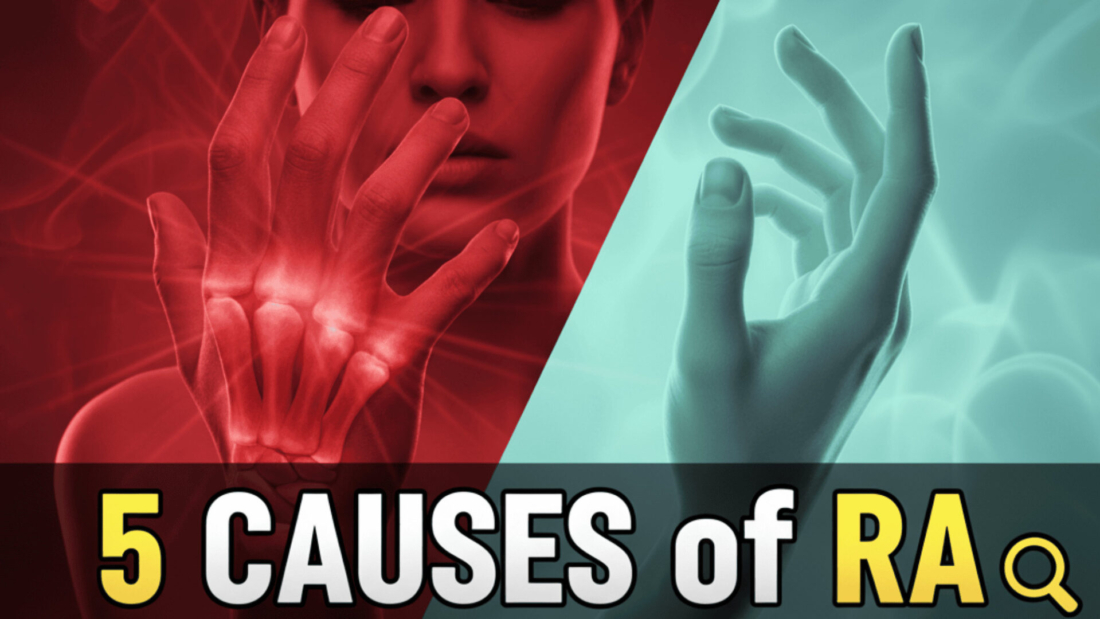
1. What is Rheumatoid Arthritis?
Rheumatoid arthritis (RA): it’s not just “bad joints.” It’s your body betraying you.
Your immune system—the thing that’s supposed to defend you—gets confused. It starts treating the lining of your joints like an enemy. This isn’t wear and tear. This is your own cells launching an attack on your hands, your knees, your life.
That internal war causes swelling no ice pack can fix, pain that doesn’t care if you’re sleeping, and stiffness that makes mornings feel like a battle. And if it’s not stopped? It doesn’t just hurt—it can change the very shape of your joints for good.
RA isn’t an injury. It’s an uprising inside you. And it demands more than just patience; it demands a plan. Harvard Health+1
Though RA mostly affects joints in the hands, wrists, feet, knees, elbows etc., it’s not the same as osteoarthritis (that’s more “wear and tear”). RA has layers of complexity. There is no single cause. It’s a mix of genetic vulnerability + environmental, lifestyle & immune system factors. Let’s unpack that.
2. Why Is Rheumatoid Arthritis an Autoimmune Disease?
- In RA, immune cells (especially T cells, B cells, and others) attack the synovium, the tissue lining the joints. The synovial membrane becomes inflamed and thickened. Harvard Health+1
- Enzymes and cytokines released during that inflammation lead to damage of cartilage, ligaments, tendons, and bone surrounding the joint. Over time this causes erosion and misalignment. Harvard Health+1
- Autoantibodies, like rheumatoid factor (RF) or anti-citrullinated protein antibodies (ACPA), are often present. They serve both as markers and as possible contributors to the damage process. Harvard Health+1
So, RA qualifies as an autoimmune disease because the body’s immune system attacks its own healthy joint tissue, misidentifying it as foreign.
3. 5 Major Causes & Risk Factors Explained
Here’s what really sets the stage for rheumatoid arthritis. It’s not one thing—it’s a mix of factors that researchers are still untangling.
The five points below are the big ones—backed by science—that can make RA more likely to develop. Some stuff you’re born with, some you pick up along the way. Together, they can push someone from risk to reality.
Think of it like this: It’s not just the gun, and it’s not just the finger on the trigger. It’s both.
| Major Cause / Risk Factor | What It Is & How It Helps Cause RA | Evidence & Key Insights |
| 1. Genetic Predisposition | Certain genetic variants (especially in the HLA region, like HLA-DRB1 shared epitope alleles) increase risk. Also non-HLA genes influencing immune regulation, cytokines etc. If you have family members with RA, your risk is higher. | A 2023 phenome-wide association study showed that genetic risk scores for RA not only relate to RA but also to other autoimmune conditions. PubMed Genetic risk is estimated to contribute to ~30-60% of RA risk in combination with non-genetic factors. MDPI |
| 2. Environmental Triggers & Pollutants | Look, it’s not just about your genes. Your environment plays a huge role in triggering RA if you’re already susceptible. We’re talking about real, tangible stuff you encounter every day:
These aren’t just theoretical risks – they’re actual triggers that can confuse your immune system into attacking your joints. It’s like your body’s defense system gets so overwhelmed by these external factors that it literally forgets who the real enemy is and turns on itself.. |
A 2025 observational study in Canada found that fine particulates were associated with higher risk of RA. ifm.org Also, exposure to organophosphate esters (OPEs) in household/personal care products linked to RA risk in NHANES data (2011-2018). arXiv One recent Italian study confirms long-term pollution exposure correlates with increased incidence of RA. ScienceDirect |
| 3. Lifestyle Factors: Diet, Smoking, Obesity |
|
Meta-analysis (2024) of 32 dietary factors found that moderate alcohol intake, fruits, cereals reduce RA risk; tea & coffee may increase it. MDPI Nutrition in prevention and management article (2023) highlights pro- and anti-inflammatory food effects. ScienceDirect Smoking’s association is well documented in Harvard and Mass General descriptions. Harvard Health+2Massachusetts General Hospital+2 Obesity was mentioned in the non-genetic factors reviews. MDPI |
| 4. Infections, Microbiome & Immune Dysregulation | Prior infections (viral, bacterial) may trigger immune pathways (molecular mimicry, epitope spreading etc.). The gut microbiome seems to be heavily involved: disturbances of gut bacteria, and its metabolites (like bile acids) have been shown to influence RA development, especially in ACPA-positive disease. | A 2023 study found that certain bile acid metabolic pathways (tied to dysbiotic gut bacteria) are linked to elevated ACPA and more bone erosion in RA patients. arXiv Reviews of environmental & individual factors list infection as one potential trigger. MDPI |
| 5. Stress, Hormones, Sleep, and Other Individual Factors | Mental stress, poor sleep, hormonal factors (e.g., female sex, changes in estrogen), age, sex, perhaps perinatal factors. These can modify immune behavior, increase systemic inflammation or reduce regulatory immune control. Also psychological stress may increase susceptibility or worsen disease. | The big review in MDPI (2022) shows non-genetic factors like mental stress, sleep deprivation, obesity, eating habits play significant roles. MDPI Hormonal differences: RA is far more common in women; many theories tie this to hormonal cycles and immune modulation (estrogen, etc.). Harvard Health notes the higher prevalence in women. Harvard Health+1 Also, exposure to stress and sleep loss is shown in immune dysregulation studies. MDPI |
What Are the Environmental Factors That Cause Rheumatoid Arthritis?
This is a long-tail question many ask. Environmental factors include:
- Air pollution: PM2.5, black carbon, etc. raise RA risk. ScienceDirect+1
- Pollutants & chemicals: PAHs (from smoke, vehicle exhaust), OPEs, endocrine disruptors. ifm.org+1
- Smoking (active and passive): strong risk.
- Occupational exposures: silica dust, some heavy metals, though evidence is more limited
4. “People Also Ask” Answers
Here are concise FAQ-style responses (good for voice search, skimmers, etc.):
- Is rheumatoid arthritis hereditary?
Yes — having certain genes increases your risk (especially HLA-DRB1 variants). But it’s not strictly hereditary like some single-gene disorders. Many people with genetic risk don’t develop RA unless other triggers are present. MDPI+2Harvard Health+2 - Can diet cause rheumatoid arthritis?
Diet isn’t a lone cause, but it can influence risk. Meta-analyses suggest that diets rich in fruits, cereals, and oily fish reduce RA risk, whereas high inflammatory load (processed foods, certain beverages) may increase risk. MDPI+1 - How does the immune system attack joints in RA?
In RA, immune cells (T cells, B cells) produce autoantibodies like RF or ACPA. The synovial membrane becomes inflamed, immune and inflammatory mediators (cytokines such as TNF-α, IL-6, IL-1) are released. These promote growth of synovial tissue, degrade cartilage & bone by metalloproteinases, and lead to joint destruction. Harvard Health+2PubMed+2
5. RA vs Osteoarthritis: What’s the Difference?
| Feature | Rheumatoid Arthritis (RA) | Osteoarthritis (OA) |
| Cause | Autoimmune attack, systemic inflammation | Wear and tear, cartilage breakdown, mechanical stress |
| Onset | Can be fairly rapid, symmetric joints, often small joints first (hands, feet) | Gradual, asymmetrical, weight-bearing joints often involved first (knees, hips) |
| Morning stiffness | Longer duration (>30-60 minutes) | Shorter, usually eases with movement |
| Systemic symptoms | Fatigue, low-grade fever, sometimes organ involvement | Mostly local joint pain, swelling; fewer systemic signs |
| Autoantibodies | Often present (RF, ACPA) | Not present |
Understanding these differences helps in diagnosis, treatment, and expectations. RA is more aggressive, needs earlier intervention.
Why Osteoarthritis Happens & How to Manage It Naturally in 2025.
6. Can Rheumatoid Arthritis Be Cured?
- Short answer: No, not yet. There is no cure for RA as of the latest literature. Harvard Health and other major rheumatology resources confirm this. Harvard Health+1
- But: There are treatments (DMARDs, biologics, lifestyle interventions) that slow or halt disease progression, reduce symptoms, and prevent joint damage. Early diagnosis & treatment (“treat early, treat hard”) is often a game-changer. Harvard Health+1
- Some patients do reach remission (little or no disease activity) or have minimal symptoms, especially when combining medications + lifestyle changes. But whether that’s a “cure” depends on definition.
7. Promotional Note: Joint Genesis
Okay, real talk. When your joints are screaming by 10 AM, you start looking for anything that might help. I remember watching my aunt go through this with her RA—constantly balancing doctor’s orders with that desperate search for some relief.
That’s why I actually bothered to research Joint Genesis. I’m naturally skeptical about supplements, but this one’s different. It’s not magic beans—it’s based on actual anti-inflammatory ingredients that have real science behind them.
Here’s my honest advice: Check with your doctor before trying it, especially if you’re on biologics or other RA meds. But honestly? I’ve heard from so many people who say that combining their medical treatment with the right supplemental support made a real difference in their daily comfort. It might just be the extra help you’ve been looking for.
8. FAQ
- Q: What are the environmental factors that cause rheumatoid arthritis?
As above: air pollution, chemical exposures (PAHs, OPEs), smoking, perhaps infections, dietary toxins, occupational exposures. PMC+3ifm.org+3arXiv+3 - Q: What are rheumatoid arthritis risk factors?
Key ones: genetics (family history, HLA alleles), being female, older age, smoking, obesity, diet low in anti-inflammatory foods, high exposure to environmental pollutants, infections, stress and sleep disturbances. ifm.org+4MDPI+4Harvard Health+4 - Q: How does the immune system attack joints in RA?
Autoantibodies (like RF, ACPA) + immune cell infiltration in synovium → production of pro-inflammatory cytokines → synovial thickening and pannus formation → cartilage/bone destruction. Harvard Health+2PubMed+2 - Q: Can RA be cured?
No cure currently. But remission, minimal disease activity, and prevention of joint damage are possible with early, aggressive treatment and good lifestyle support.
Leave A Comment